 Subscribe

Inflation spikes as November RBA rate decision looms
A Melbourne Cup Day rate hike remains a possibility after new inflation data proved Australia's economy is still running hot.

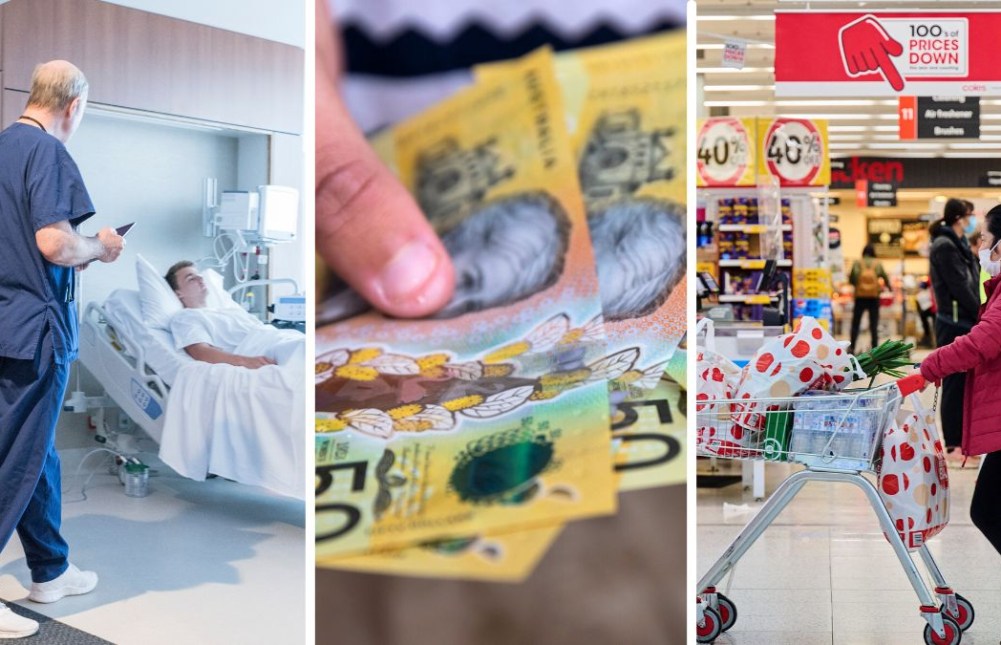
- Australia’s headline inflation rate has risen 4.3 per cent in the 12 months to September 2026, beating market expectations of a 4.1 per cent rise.
- Todays reading will increase the pressure on the RBA board to raise interest rates when it meets next week.
- Trimmed mean inflation, which removes seasonal spikes, came in at the forecast rate of 3.6 per cent.
Australia’s headline inflation rate has risen 4.3 per cent in the 12 months to September 2026, strengthening the case of another interest rate hike when the Reserve Bank of Australia (RBA) meets next week.
New data from the Australian Bureau of Statistics revealed that the Consumer Price Index (CPI) rose 4.0 per cent in the 12 months to September, up from 4.0 per cent in the 12 months to August.
Trimmed mean annual inflation, the figure the RBA says it watches closely as it accounts for one-off spikes, came in at the expected 3.6 per cent.
The headline inflation number was far above market expectations of 4.1 per cent, driven largely by housing and transport cost shocks.
“Housing was the largest contributor to annual inflation in September, rising by 5.2 per cent,” Rachael McCrick, head of price statistics at the ABS, said.
“Annual inflation of 5.2 per cent for Housing reflected rising costs for both New dwellings and Electricity. New dwelling prices rose 4.7 per cent in the 12 months to September as builders passed on higher costs for materials and labour.
“This is down from 5.4 per cent in the 12 months to August.”
Global X ETFs senior investment strategist Marc Jocum says the surprise lift in inflation adds considerable pressure to the RBA’s meeting next week.
“After four rate hikes, the latest surprise raises questions about whether monetary policy has done enough,” he wrote.
“The concern is that the RBA risks losing credibility if inflation continues to surprise on the upside and Australians begin to doubt its ability to bring price pressures back to target.”
Luci Ellis, Chief Economist at Westpac Group, said the bank reaffirmed that it expected a rate hike next week.
“Today’s inflation data and Senate testimony are the final pieces of information before the RBA Monetary Policy Board (MPB) meets next week,” Ellis wrote.
“Recent data and communication have consistently pointed to the staff recommending an increase in the cash rate. We expect a majority of the external members to agree, though some members might dissent.
“Inflation is above target, and above what the RBA’s August forecasts implied. Some upside risks identified in August have partially materialised, particularly energy prices.
“The RBA is especially worried that above-target inflation will become embedded in people’s expectations and pricing decisions. It will therefore deem that further policy tightening is needed.”
Prior to the data, markets had priced in a 60 per cent chance of the RBA hiking rates on Melbourne Cup Day.
The central bank has long said its key objective is to return Australia to its “target band” of 2 to 3 per cent inflation, and that it will “remain focused on ensuring that high inflation does not become embedded.”
The consumer price index, or CPI, is not the only measure that the RBA uses to decide the official cash rate target, but it does give a clear indication of what direction the economy is heading.
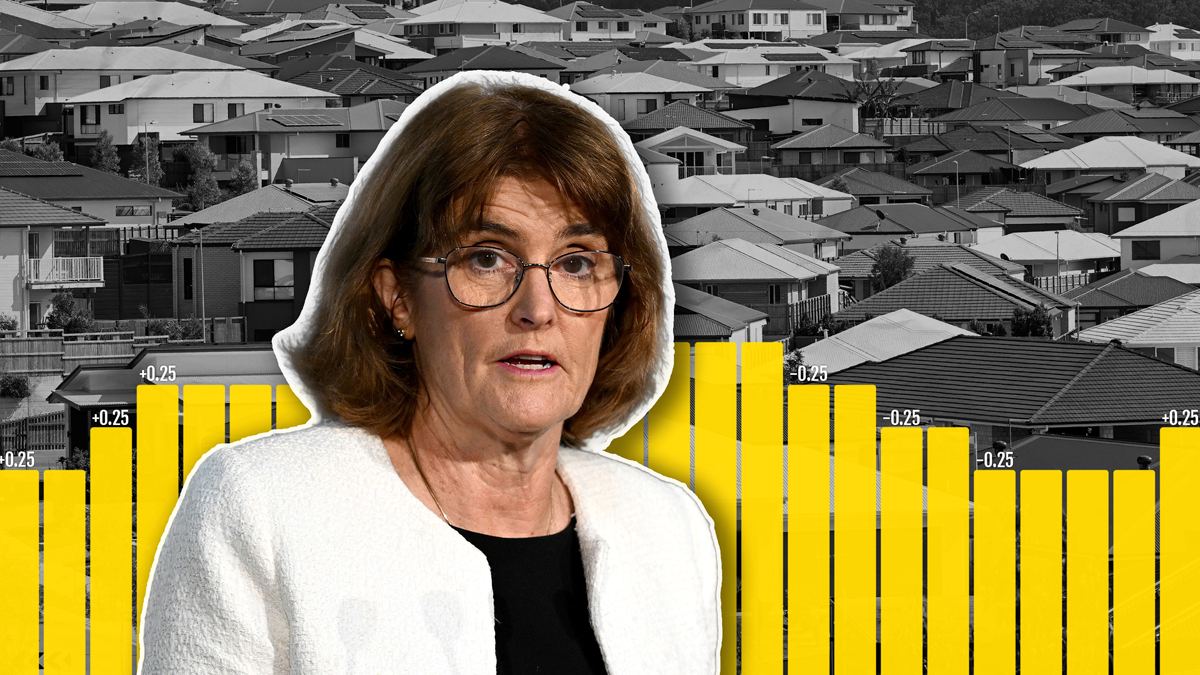
Inflation reading comes as two in three Aussies avoid looking at their bank accounts
Australians suffering under high inflation are increasingly choosing not to look at their bank accounts as household budgets are squeezed by the cost of living.
New research from Compare Club found 63 per cent of Australians, or almost two in three people, have avoided looking at their bank balance due to being afraid of what they might find.
The research, compiled after surveying 1000 people, found that more than 78 per cent of Australians reported losing sleep over their finances.
“When almost two-thirds of Australians are deliberately avoiding their balance, that’s a pretty confronting sign of how much financial pressure people are feeling,” Kate Browne, head of research at Compare Club, said.
“People are lying awake worrying about money, putting off looking at their accounts and even pretending to be asleep rather than having a conversation about the household budget.
“Unfortunately, ignoring your bank balance doesn’t make the bills disappear.”
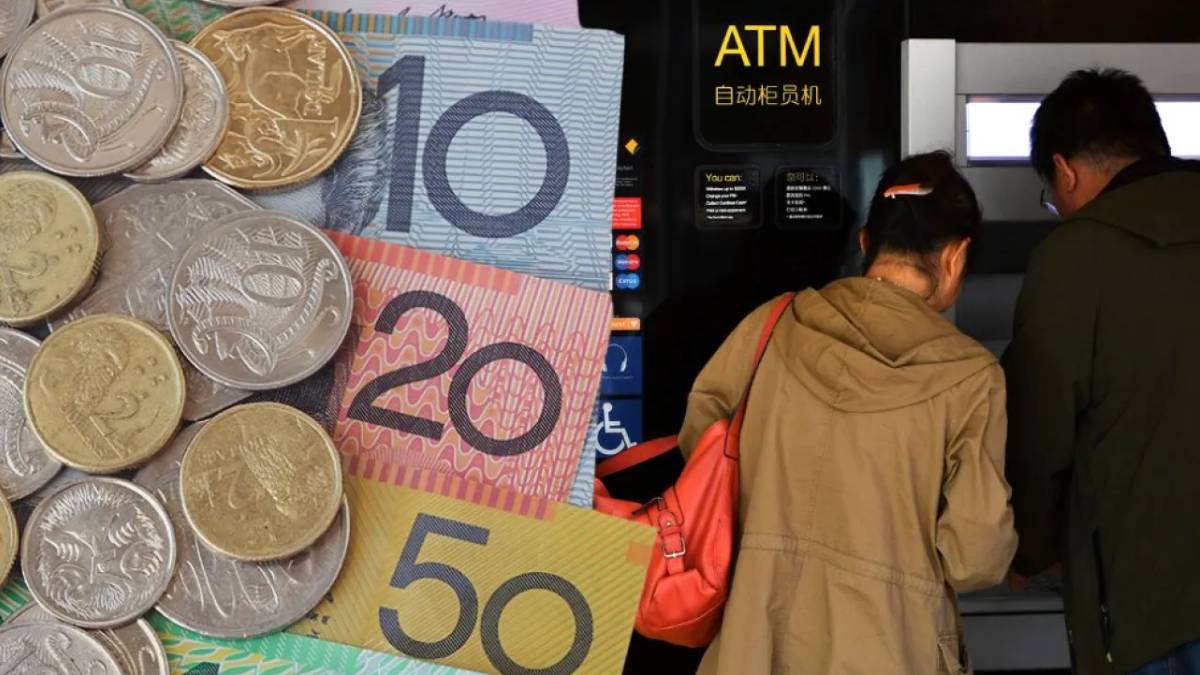
What would another interest rate rise cost you?
If interest rates were to rise again by 0.25 basis points to 4.85 per cent, some households may need to find an extra $100 a month to meet their repayments.
Canstar analysis of the average owner-occupier paying principal and interest with 25 years remaining shows that on a loan of around $700,000, a rate hike in November could push repayments up by $107 a month.
Over 2026, the cumulative increase from a fifth interest rate hike would mean borrowers with the same $700,000 loan would have to find an extra $532 a month compared to last year.
For borrowers with larger loans, around $1 million, a fifth interest rate rise would increase their monthly repayment by $153 and their cumulative repayment over five interest rate hikes in 2026 by an eye-watering $759.