Warning of heightened risk of thunderstorm asthma
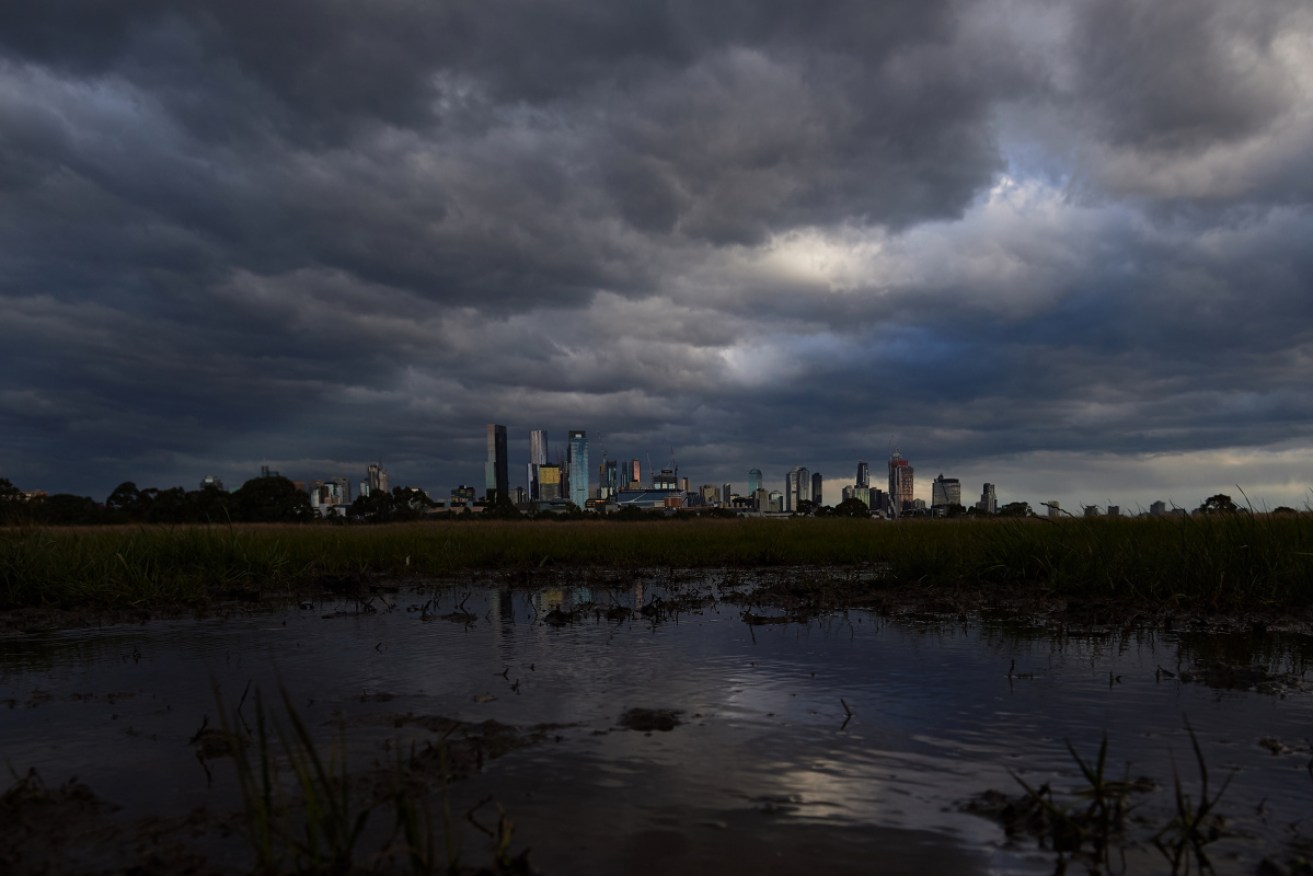
Authorities have warned of a heightened risk of thunderstorm asthma this summer. Photo: AAP
Allergy sufferers have been put on alert for thunderstorm asthma, with an ambulance leader warning conditions are akin to those before Melbourne’s deadly event in 2016.
The peak thunderstorm asthma season is expected to begin on October 1 and run until the end of December.
With a hotter and drier spring forecast, Ambulance Victoria emergency management director Justin Dunlop said he has been advised conditions are “very similar” to 2016.
In November 2016, Melbourne experienced the world’s largest epidemic thunderstorm asthma event, overwhelming emergency services and leading to 10 deaths.
Among those affected by the epidemic were people with seasonal hay fever who had not ever had asthma.
In preparation, the ambulance service has reviewed its thunderstorm asthma plan, restocked respiratory medication and equipment across the state and put staff through an emergency exercise.
“We’re certainly preparing in Ambulance Victoria for this season,” Mr Dunlop told reporters on Friday.
“If you have mild hayfever, a little bit of trouble breathing, go and talk to your local doctor, make sure you’ve got a plan and follow your plan.”
Asthmatics can also avoid being outdoors during thunderstorms in spring or early summer, monitor pollen counts and weather forecasts, and make sure to always carry their reliever puffer.
The Bureau of Meteorology is yet to officially declare an El Nino after three consecutive wet La Nina weather events.
An El Nino weather pattern usually brings elevated temperatures, increasing the growth and flowering of pasture grasses which have pollen that can trigger respiratory allergies.
Australia has one of the world’s highest rates of asthma with one in 10 affected, while one in five have allergies.
– AAP

Worker fears after Hungry Panda driver stabbed


Man charged in fatal stabbing of delivery driver

Hospital gives update on Helen Haines’ condition

One Nation volunteer allegedly assaulted with bat

One Nation open books pledge, but costings secret

Arrest after alleged Nazi salute in protest clash

‘Cold and calculated’: Mushroom killer loses appeal