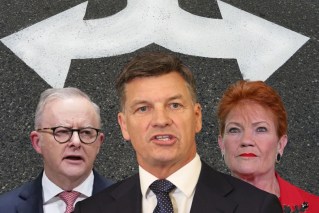
PM considers timing of Indigenous Voice referendum
Australians will soon know when they will vote on a referendum to recognise Indigenous people in the constitution.
A day after parliament endorsed a bill setting out the question and constitutional change, Prime Minister Anthony Albanese has begun working with advisers and Aboriginal and Torres Strait Islander leaders to settle on a date for the vote.
Mr Albanese told reporters it would be held in the final quarter of the year, but it has been speculated October 14 is the government’s preferred date.
“It will be a moment of national unity, a chance to make our nation even greater,” he said.
Indigenous Australians Minister Linda Burney said the passing of the laws was the start of a “national conversation at the community level about what a voice is, why it’s needed, and how it will make a practical difference”.
“What I can say for certain is that our democracy and decision-making will be enhanced by the voice because listening to a range of opinions is essential for good policy,” she said.
Uluru Dialogue co-chair Pat Anderson said campaigning for the referendum needed to begin immediately so people can make an informed decision.
“Between now and when we do go to the polls, there will be enough information for the general public to make up their minds … and a task that we all have now,” she told the ABC.
“We’ve all got a lot of work to do, and a lot of talking to do over this next few months, I believe there’s time.
“But we have to start now.”
Opposition Indigenous Australians spokeswoman Jacinta Nampijinpa Price, a leader of the ‘no’ campaign, said a “Canberra body of academics and experts” would not be an effective way of closing the wellbeing gap.
“If the ‘yes’ vote is successful, we will be divided forever,” she said.
Opposition Leader Peter Dutton asked the prime minister in parliament why he was not providing details of the voice before people cast their vote at the referendum.
“Why are Australians being asked to make the biggest change to Australia’s constitution in decades, creating a permanent new body without any details as to how it would operate?” Mr Dutton said.
Mr Albanese said the parliament – after the referendum is held – would determine the “structure, the composition, the powers and the procedures” of the voice.
But he said there was a clear set of principles including no right of veto, the primacy of the parliament, the selection of members by Aboriginal and Torres Strait Islander people based on the wishes of local communities, gender balance, youth involvement, accountability and transparency.
Advocacy organisation ANTAR national director Paul Wright said it was “another hurdle cleared”.
“As the consideration of proper recognition and voice leaves the Canberra arena, it is a good thing that it will now be in our towns and cities, our communities and around our kitchen tables that we reflect on what is at stake.”
Labor senator and “father of reconciliation” Pat Dodson, who is on leave from parliament, tweeted he had “great faith that we will come together to vote ‘yes’ for a better future”.
A pamphlet setting out the ‘yes’ and ‘no’ cases will be mailed to households in coming weeks.
– AAP
Taylor eyes Frydenberg return, despite critique
Voters cool on One Nation in latest polls
Not just the economy, stupid – everything else too

As Coalition veers right, should Labor hold centre?
Listen, deliver, rebuild trust to quiet the populist right