Strained culture within department overseeing robodebt
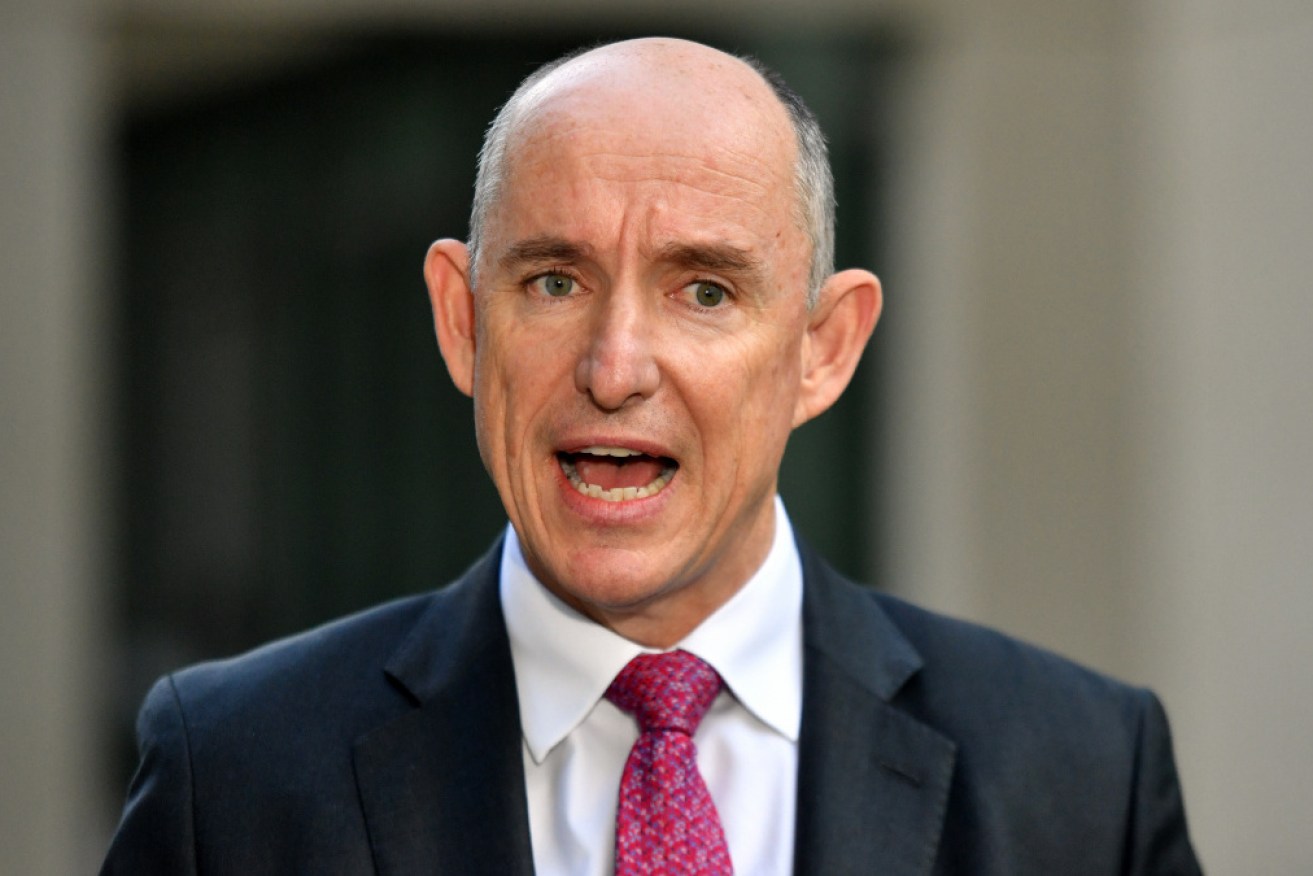
Stuart Robert reportedly wanted to divide the department overseeing robodebt into different agencies Photo: AAP
A former minister overseeing a department responsible for robodebt tried to split it into four agencies against the advice of the secretary in charge, a royal commission has been told.
Hundreds of thousands of Australians were incorrectly sent debt notices under the robodebt scheme, which operated between 2015 and 2020 and unlawfully recovered more than $750 million.
The commission is examining how the robodebt scheme was able to operate for several years despite concerns it was unlawful.
Renee Leon, former human services department secretary, appeared before the commission on Tuesday.
She became secretary in October 2017, two years into the scheme, and her employment was terminated in December 2019.
Professor Leon described the strained relationship between her and then-minister Stuart Robert when she advised against his plan to split the department, an idea modelled on the Services NSW platform.
Mr Robert wanted to divide the department into different agencies overseeing information technology, service delivery, compliance and design, Prof Leon said.
“The Department of Human Services is quite a different beast to Service NSW and we couldn’t have progressed the plan the minister was proposing without a very considerable impact on service delivery,” she said.
“The minister had to be advised not only by me, but by others in the public service, that it wasn’t possible to dismiss everyone in human services and still keep service delivery running.”
Prof Leon said the then-government designed the robodebt program with the intention of having it run completely online without people needing to speak to anyone in person, as a cost saving measure.
But when problems with its implementation arose in late-2016 and early-2017, the department brought in labour hire contractors to answer phones.
“Existing staff felt it was … a little bit insulting to their knowledge and experience that the government thought their job could so easily be done by someone who’d just been brought in to read a script,” Prof Leon said.
Wider cultural problems within the department were brought to Prof Leon’s attention when she became secretary, including aggression and public shaming.
“When people at the senior levels get exposed to that kind of behaviour … we end up with a situation where people are afraid to raise risks or say something negative because they might get humiliated or yelled at,” she said.
“It certainly was put to me that contractors were much less likely to raise concerns because if they were in any way seen as difficult then they could just not be given more shifts.”
Prof Leon tried to change that culture and believed her determination to provide “frank and fearless” advice to former coalition government ministers contributed to her employment being terminated.
She said there was an increasing view that there were “consequences for people if they were unhelpful to the government”.
“People became more and more anxious to be seen to be compliant with ministers’ expectations about how things would be done,” she said.
Prof Leon described feeling shocked when she received advice from the Australian government solicitor and later the solicitor-general about the unlawfulness of the program.
She said the incoming briefing she received when she became secretary did not raise issues with the scheme.
“I didn’t even know that there was a question about the lawfulness of the scheme that I needed to have confidence or not confidence about at that stage,” Prof Leon said.
“I understood it was an unpopular scheme, but I didn’t have anything brought to my attention that led me to think there were doubts about whether it was lawful.”
Lifeline 13 11 14
beyondblue 1300 22 4636
– AAP