A low-fat diet might slow the growth of lipid-hungry tumours
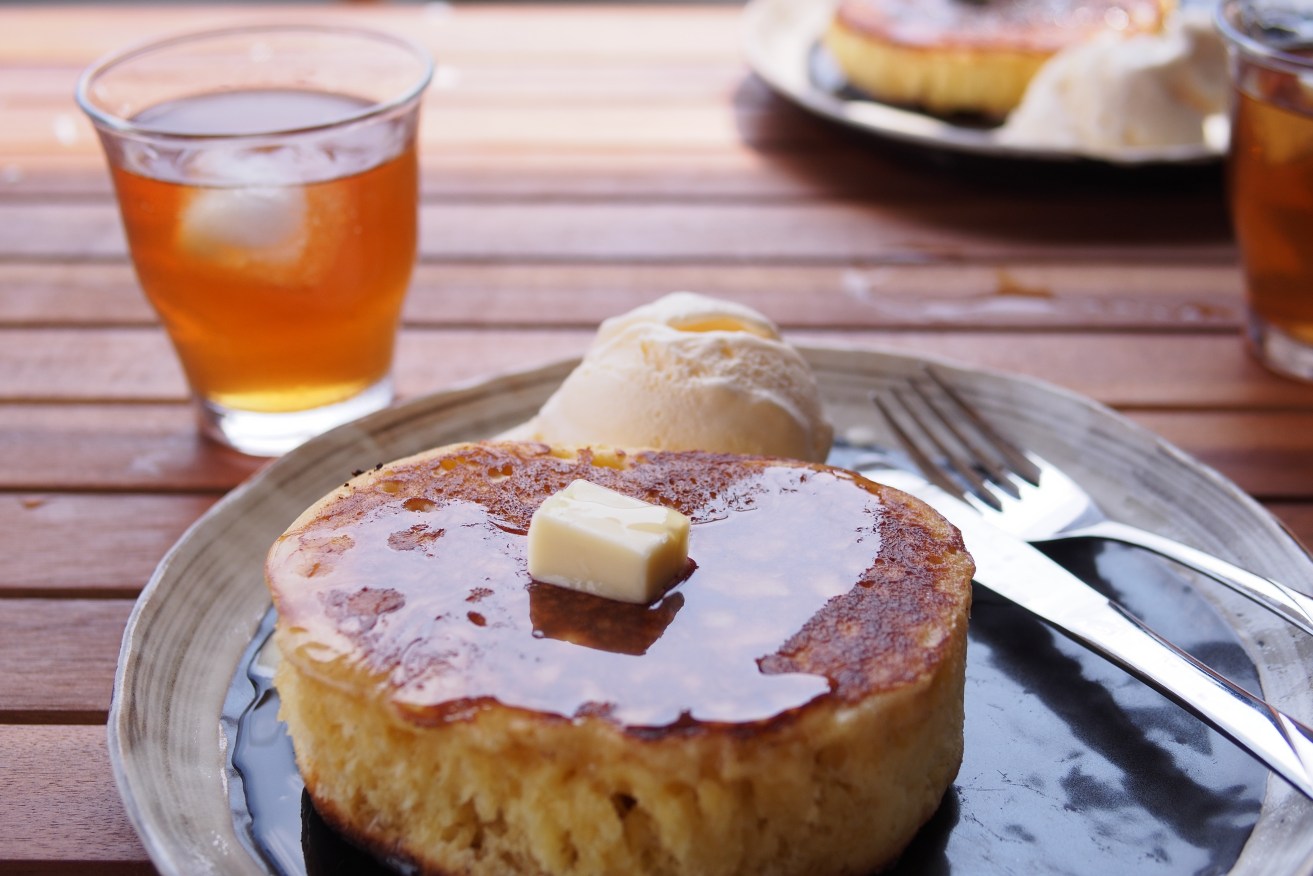
Some cancers love butter and ice cream. Cut them from your diet, the tumours slow down. Photo: Getty
In May, retired toolmaker Rolf Sulzle, having lived a life in reasonable good health, was shocked – if not entirely surprised – to be diagnosed with an aggressive brain tumour and given three months to live.
Cancer had killed his mother, brother and sister.
His wife and colleagues were the first to notice the symptoms.
“Changes that I couldn’t see in myself,” he says. These changes included odd behaviour, being distant and less responsive.
Was it depression?
His doctor thought Rolf might have depression.
“Until the scans showed a large tumour on the left side of my brain,” he says.
Surgery removed 99 per cent of the tumour. Chemotherapy is targeting the remaining cancer cells. It’s all about buying time.
“They told me if I’d gone another few weeks without treatment, I would’ve been dead,” he says.
Rolf cares for his wife, Julie, who lives with a crippling auto-immune disorder. His main concern is staying alive as long as he can to look after her.
A new discovery
As part of his bid for extra time, Rolf, 65, is following a low-fat diet. He’s careful not to eat saturated fats and fried food.
Why? Because a new study has found that certain cancers can’t grow without lipids (fats) contained in various foods such as butter and ice-cream.
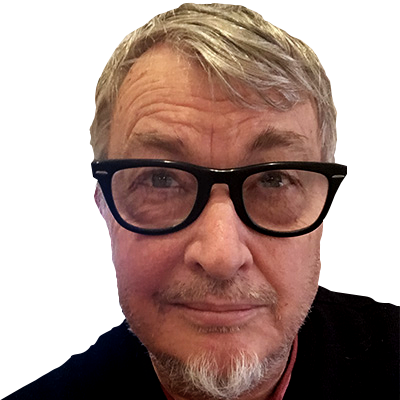
 Dr Daniel Thomas and patient Rolf Sulzle. Photo: SAHMRI
Until now, it was thought that diet had no impact on tumours.
But the research demonstrated that cancers with IDH1 gene mutations – including the cancer in Rolf’s brain – are “stopped in their tracks when starved of lipids”.
The research
The IDH1 gene mutation is “a nasty mutation” that reprograms cells and is commonly found in blood cancer, acute myeloid leukaemia, bone cancer called chondrosarcoma, bile duct cancer and low-grade glioma (a type of brain cancer).
The new research – led by Dr Daniel Thomas, a clinical haematologist and pathologist with the South Australian Health and Medical Research Institute (SAHMRI) – is finding “hidden weaknesses in IDH1 cancers that can be exploited to cure patients”.
In a statement from SAHMRI, Dr Thomas said:
“We replicated the results in a range of cancer types, comparing a regular diet with one that was completely fat free and were surprised to find tumours with IDH1 were stopped in their tracks when starved of lipids.
“Unlike other tumours, cancers with IDH1 mutations are addicted to lipids, they need to eat them and they need to make them from scratch.”
What this means for Rolf Sulzle
“More work needs to be done to substantiate our findings in humans long term, but for anyone with an IDH1 mutant cancer like Rolf, our research suggests erring on the side of caution by avoiding foods that are high in saturated fats,” said Dr Thomas.
And now it’s Christmas, and Rolf is still here.
“The advice I’ve been given so far is to live every day like it’s my last,” he says.
“If there’s a chance I can get some extra time out of being more careful with what I’m eating, I’ll absolutely do it.”
Last word from the researchers
Dr Thomas said the findings may eventually lead to an increase in survivorship in patients who are in remission following treatment of IDH1 cancers using proton therapy or radiotherapy.
“We’re quickly learning every little bit counts to achieve remission and improve survivorship without excessive chemotherapy,” he said.
The research is a collaboration between SAHMRI, the University of Adelaide and Stanford University.