The basic skincare products that leave the luxury brands in their dust
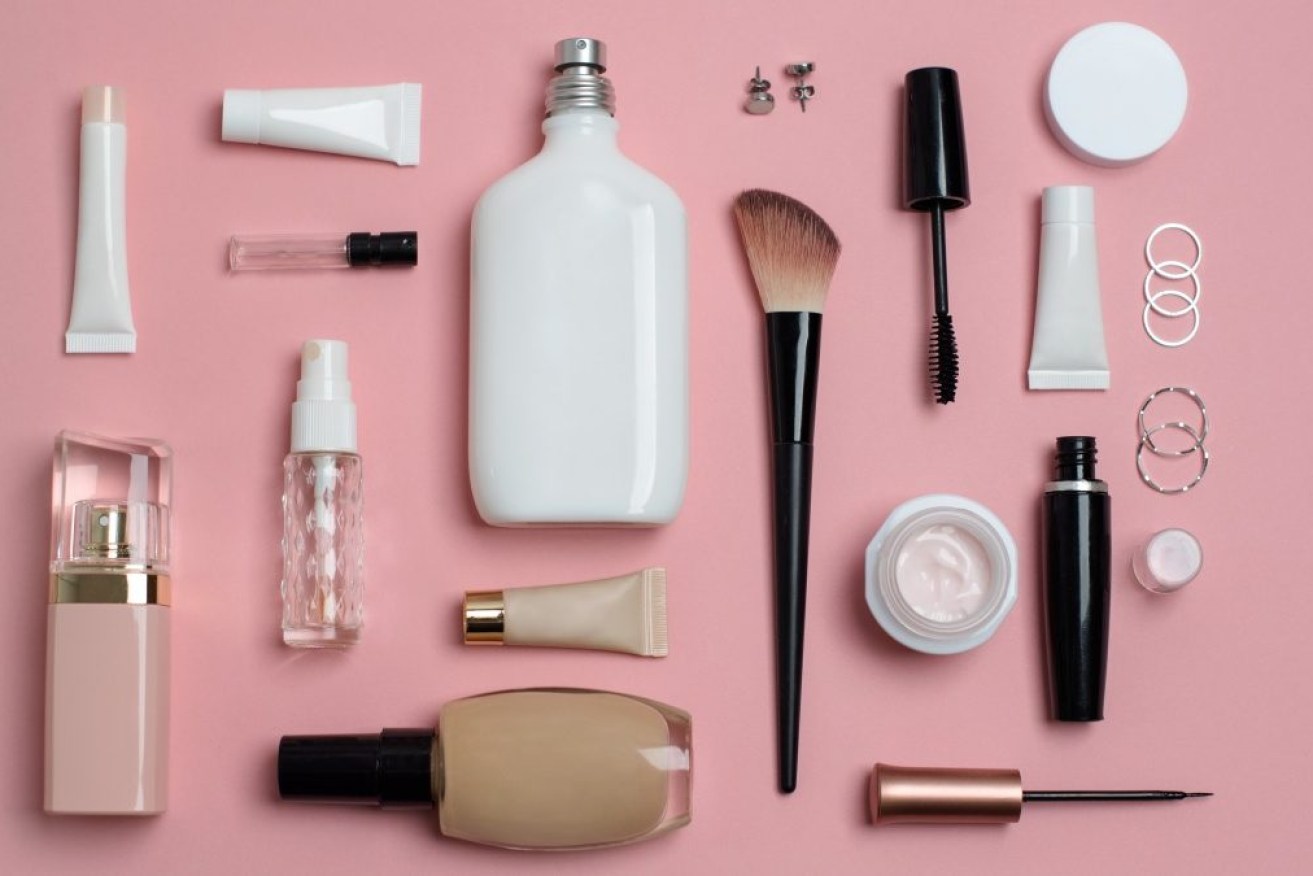
If you're paying top dollar for skin care, you may just be paying for the packaging. Photo Getty
Nowhere is the adage ‘you get what you pay for’ less true than in the world of skincare. Unless, of course, what you’re happy to pay for is packaging and the chance to smell a bit like Gwyneth Paltrow.
Dermatologist Dr Katherine Armour sees patients who have spent up to $1400 on a single moisturising cream.
“It makes your nose want to bleed,” she says. “I saw one the other day that said ‘contains carbon particles that may have come from outer space’. What? It’s just for sitting there in your bathroom saying ‘I can afford a $1400 face cream’.”
And while $1400 might be on the extreme end of the scale, some celebrity brands are still charging a premium for their name and packaging as opposed to the efficacy of their ingredients, Dr Armour says.
Forget the beauty counter, see your pharmacist
“Gwyneth Paltrow’s range is very expensive. It’s $150 for a moisturiser and you could walk into a pharmacy and get something for $15 that will do the same thing,” Dr Armour says.

Dermatologist Dr Katherine Armour
Pharmacies are full of products that are cheaper and more clinically tested than the luxury brands. These workhorses of the skincare world do the job just as well, and in many cases better.
So which ones are worth your consideration?
“My ethos is keep it simple,” Dr Armour says. And that goes for both her own Bespoke skin care range, and the other products, ingredients and brands she recommends.
Priceline pharmacist Nancy El-Miski agrees more expensive doesn’t necessarily mean better.
“A lot of young girls are caught up with the hype of a certain brand and they lather it on their face and have a reaction. There’s active ingredients in these products and all of those can react with people’s skin if they haven’t patch tested,” she says.
“A lot of people tend to use washes that have a lot of fragrance in it and that’s really drying and we see the after effects. The doctor might prescribe cortisone and we follow up and ask ‘what wash are you using?’ and it might be quite expensive but expensive doesn’t mean it’s effective and good for your skin.”
Doctors prescribe cortisone for allergies, and conditions such as eczema, psoriasis and contact dermatitis.
What you don’t want is a skincare product that aggravates those conditions.
So where to begin? First on anyone’s skincare list should be sunscreen, according to Dr Armour.
“A really good broad spectrum 50+ sunscreen that they enjoy using every day on their face and neck. That’s non-negotiable,” she says.
Both Dr Armour and Dr El-Miski like La Roche-Posey.
“La Roche-Posey is a luxurious French product but dermatologist-tested and they have that evidence base. It’s a great product for sensitive skin,” Dr El-Misky says. “It’s around $20 to $50 or $60 for a product. That would be my number one day and night cream and sunscreen.”
Which ‘active ingredients’ live up to the hype?
Niacinamide is an antioxidant that stimulates collagen production, appears to improve appearance in people with acne, and there is evidence that it works as a skin-lightening compound.
Products containing Vitamin C, astaxanthin or ferrulic acid (which stabilises vitamin C) can help protect against UV radiation, so are useful for day-time creams in particular.
And no anti-ageing or anti-lines skincare regimen would be complete without retinol.
Retinol is a type of retinoid, which is made from vitamin A. Where many products for mature skin remove dead skin cells, retinol is made up of small molecules that go deep beneath the outer layer of skin to your dermis where it help neutralise free radicals.
This has a knock-on effect of boosting the production of elastin and collagen, which creates the “plumping” effect that reduces the appearance of fine lines, wrinkles and enlarged pores.
Dr El-Miski likes the retinol treatment in the cult UK brand No7, which sells for $30 to $40.
Read the label
Products containing alpha hydroxy acid, or for sensitive skins, polyhydroxy acids, are also on Dr Armour’s list of ingredients to seek out, for their hydrating and skin sloughing properties.
But the trick is finding a product that contains the active ingredients in useful amounts.
“Increasingly now I’m finding the higher-end the brand, the more smoke and mirrors. For a lot of them you can’t even find an ingredient list on their website,” Dr Armour says.
Her rule of thumb is to note where the ingredient appears on the side of the product.
“If it’s listed in the first half of the ingredient list it’s a reasonable concentration. Any lower down it’s a bit of a Hail Mary,” she says.
Both Dr El-Miski and Dr Armour cite The Ordinary as a brand that’s upfront about their ingredients, and is well-priced.
“The Ordinary is very very cheap product but very effective,” Dr El-Miski says.
“They’re just fantastic, they’re great products,” Dr Armour agrees. “They tend to list their concentrations. They have a serum I really like. They’re unusual and I think they’re very clever.”

The Ordinary is upfront about its ingredients, and the amounts they contain. Photo supplied
Other pharmacy brands Dr Armour likes are Neostrata and Australian brand Propaira, a brand developed by a Melbourne dermatologist while Dr El-Miski likes Antipodes brand, for when she wants to give her skin a break and use something natural.
Dr El-Miski says there’s no reason to stick to a particular brand slavishly.
“We’re in a generation where people do tend to do their research and we’re not stuck in the day where if you were a Lancome girl you’re a Lancome girl. We now tend to pick and choose.”
Want to see more stories from The New Daily in your Google search results?
- Click here to set The New Daily as a preferred source.
- Tick the box next to "The New Daily". That's it.