Climate anxiety: Spike in mental health emergencies on very hot days

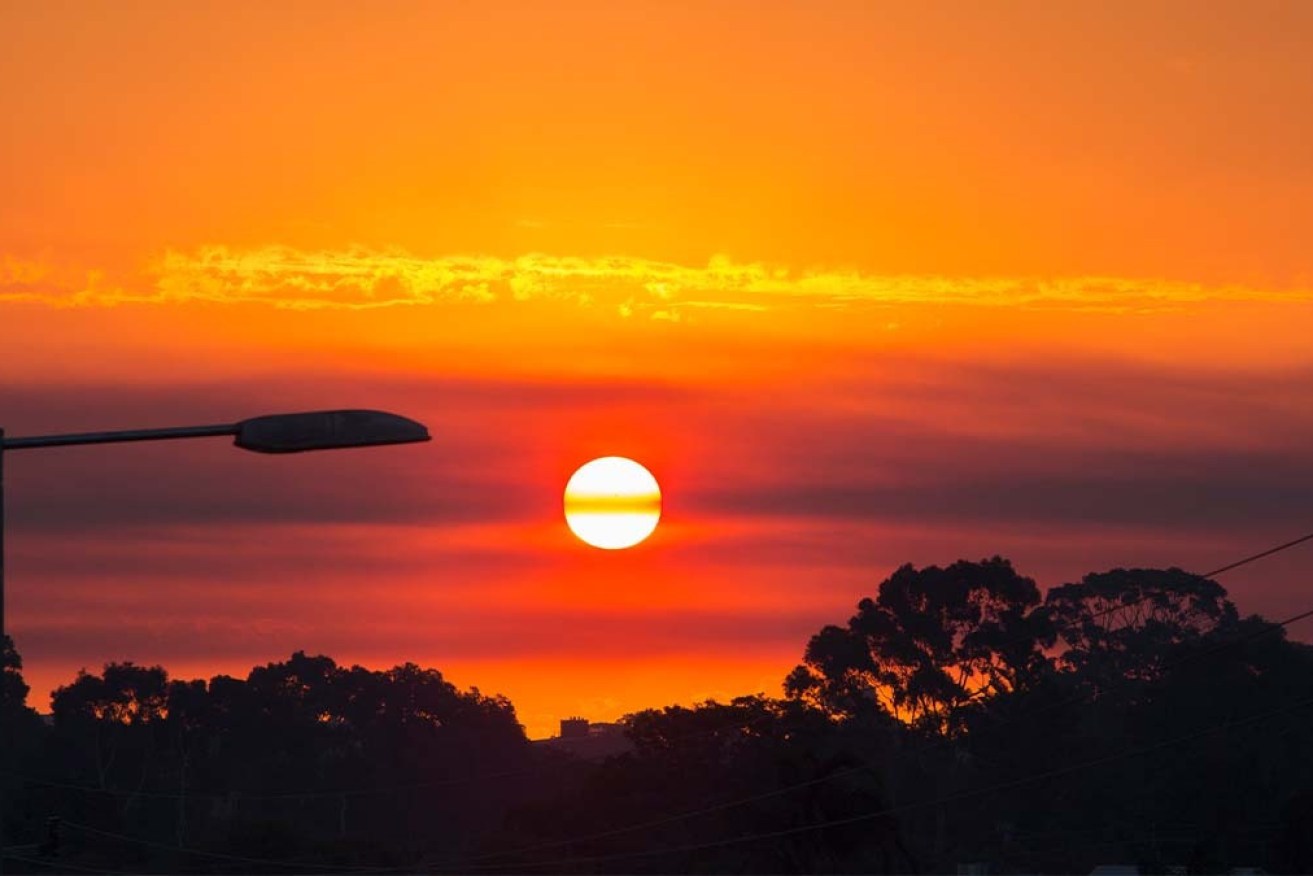
Studies have shown an association between very hot days and higher numbers of mental health presentations. Photo: Getty
Mental health services are struggling to cope with two global emergencies: COVID-19 and climate change.
As hospitals around the world struggle to deal with the highly complicated virus, an increasing number of people have developed mental health issues – prompted by job insecurity, the family pressures of lockdowns, and all manner of uncertainties.
In August, the Australian Medical Association, appearing before the Select Committee on Mental Health and Suicide Prevention, essentially ran up the white flag, declaring emergency departments were overwhelmed by people suffering mental health crises.
“There are not enough psychiatrists in Australia and there is likely to be increased demand for their services generated by the pandemic,” AMA president Dr Omar Khorshid said.
“We urgently need an alternative to emergency departments treating people experiencing acute mental ill health.”
Dr Khorshid didn’t mention climate change, but evidence from US hospitals suggests anxieties around global warming are affecting emergency rooms, and especially on very hot days.
A long-time threat to public health
That very hot days kill the aged and frail and cause others to become ill is well understood.
High ambient heat is not good for the body, especially over a number of days. It’s an old story.
As the authors of a massive Boston University study advise: “Heat stress is known to trigger adverse physiological responses in the human body, ranging from heat rash and muscle cramps or fatigue to broad consequences for a range of human organ systems and heat stroke, which can be fatal.”
They write that the burden of disease associated with ambient heat is expected to increase with global warming, and that this will place extra demand on hospitals.
But it’s not only the body that will suffer. Our emotions and thoughts will come under stress. We get cranky and tired and sometimes our thinking turns morbid.
For people with mental health issues, though, there’s emerging evidence that extreme heat can trigger a crisis that requires emergency medical intervention.
How big a surge can hospitals expect?
The Boston University School of Medicine study analysed 3.5 million emergency department visits “during the warm season (May to September) from 2010 to 2019”.
The researchers found that higher-than-normal temperatures during summer were associated “with increased rates of emergency department visits for any mental health-related condition, particularly substance use, anxiety and stress disorders, and mood disorders”.
Overall, these days saw a spike of 8 per cent in people needing mental health treatment.
In the north of the country, where the overall ambient temperature is lower, and people perhaps have not acclimatised to hotter weather, the spike was 12 per cent.
Lead author Dr Amruta Nori-Sarma, assistant professor of environmental health at Boston, said healthcare providers need to “prepare for an increased need in mental health services during times when extreme heat is predicted”.
This is advice that Australian public health officials could well heed.
The problem is, as the AMA makes plain, we’re already playing catchup on days when the weather is nice.