
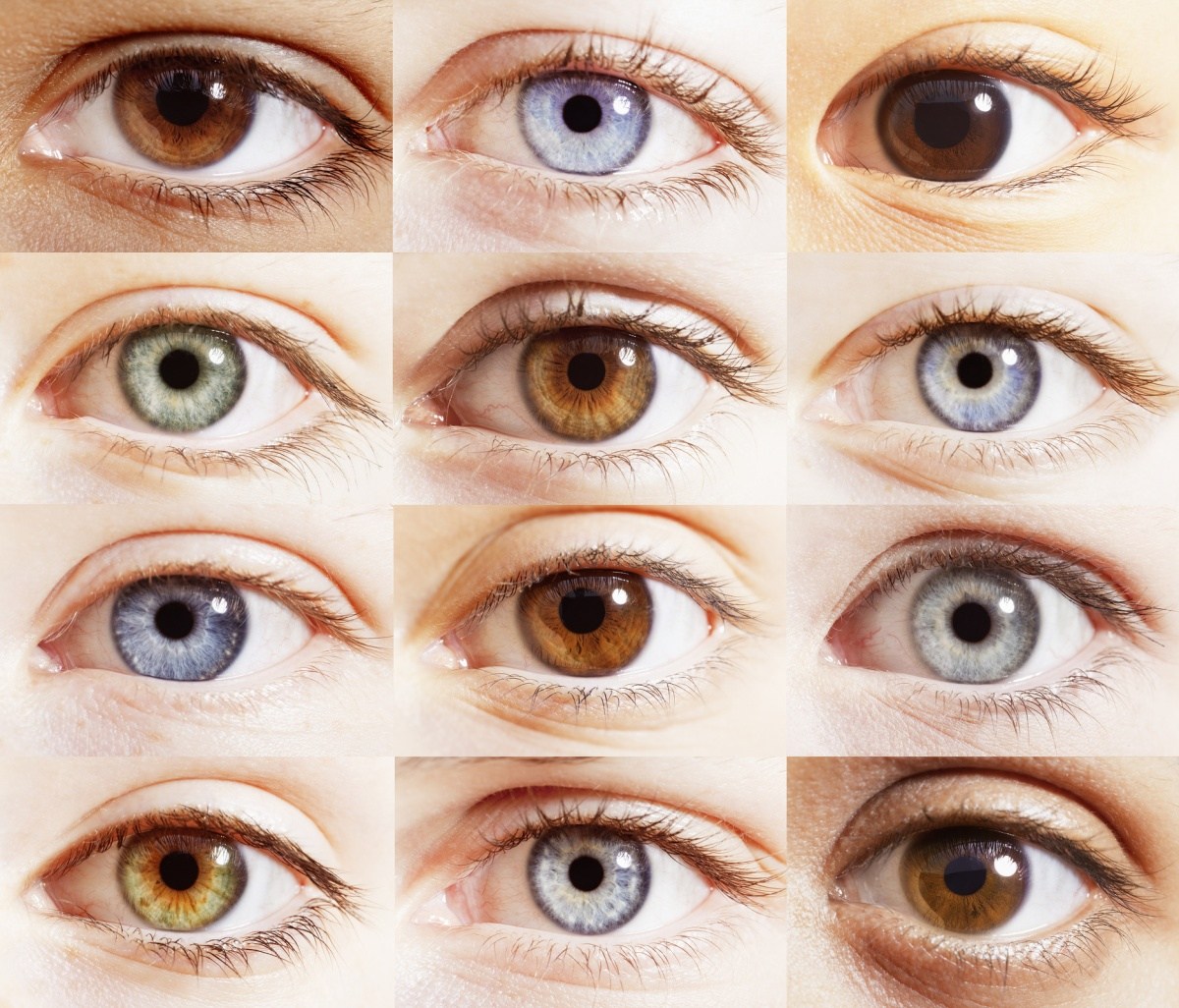
Mobile, tablet, desktop, television: how many hours a day do you spend not looking at a screen?
In our four-part series on screens, we ask what excessive screen time is doing to our mental health, to our sleep and to our sex lives.
First we investigate what screens are doing to our eyes, including whether they’re to blame for the growing rates of short sightedness.
Short sightedness on the rise
Perth optometrist and former president of the Optometrists Association of Australia, Stephen Leslie, said he had witnessed first hand the growing number of people with myopia – the medical term for shortsightedness.
A 2016 study from the Brien Holden Vision Institute found that by 2050, half the world’s population will be short sighted – a doubling since the year 2000.
The study blamed a combination of near-based activities (for example screens) and a lack of time outdoors.
“We used to think myopia was caused by genetics but we know now from strong research it’s mainly caused by what you do with your eyes,” Mr Leslie said.
And Myopia doesn’t just mean wearing glasses.
Mr Leslie warned it put you at risk of glaucoma, cataracts and detached retinas.
Why our eyes are stressed
When we look at something in the distance after we’ve been staring at something close-up, our eyes are forced to adjust. The longer we spend in a near-based activity, the harder it is for our eye to re-focus.
Those who spend extended periods of time in front of a screen, such as office workers or kids playing Pokémon Go, may get sore eyes or even headaches.
Mr Leslie said he had treated one young child whose eye had “turned inward” and become ‘lazy’ from too much screen time.
“It’s very rare, but it’s an example of the extreme stress our eyes are under.”
A Japanese study from 2014 found that office workers often experienced a condition known as ‘dry eye’, partially from not blinking enough.
But not everyone thinks screen time is terrible for our eyes.
Harrison Weisinger, former director of optometry studies at Deakin University and Specsavers director, has emphatically argued that past the age of ten, it’s difficult to injure our eyes simply by looking at something.
What can we do?
Optometry Australia Resident Optometrist Luke Arundel suggested adults who are forced to look at a screen all day follow the 20-20-20 rule.
“Every 20 minutes look up from your screen at something 20 feet away for 20 seconds,” he said.
“This gives the muscles a chance to rest and relax before the next period of focussing effort.”
He also suggested balancing “screen time with green time”.
In Beijing, where children spend much of their time indoors studying, 80 per cent of teenagers tested in a March, 2016 study were short-sighted.
Studies are currently testing whether myopia can be reversed with sunlight, but unsurprisingly, prevention is the best cure.
Mr Leslie said children should spend no more than two hours a day on screens (or 30 minutes for children under seven) and at least 1.5 hours outside.
What about blue light?
Blue light can be natural or man-made – the sun emits it, but so do our iPhones and computer screens.
Mr Leslie said in the long term, blue light increased our risks of cataracts, while Mr Arundel noted that optometrists now sold blue-blocking lenses.
iPhones now include the ‘Nightshift’ function, which dims your phone’s blue light as you get closer to bed time.