Plenty of bumps ahead on the road to a clean, green EV revolution
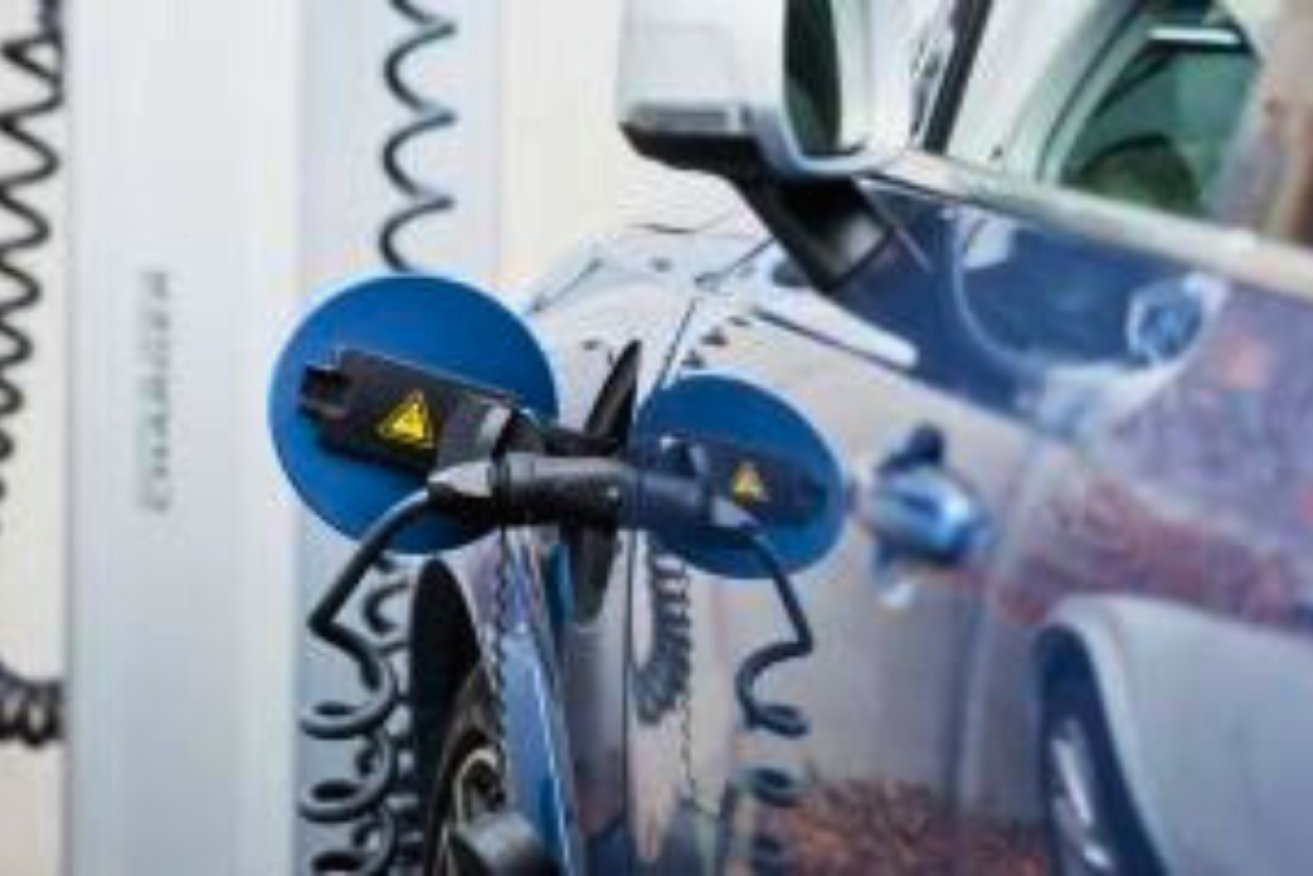
Mini Cooper SE electric cars sold in Australia between 2020 and 2023 are being recalled. Photo: AAP
Australia has a motor vehicle problem.
At the launch of the National Electric Vehicle Strategy this week, groups from all sides of politics and the car industry experienced rare consensus: all supported new laws to cut transport pollution and bring more efficient vehicles into the country.
But debate over the content of those laws is already descending into heated argument over technology, infrastructure, affordability and ambition.
Electric vehicle proponents and environmental groups contend laws should be bold, similar to those working overseas, and in place before the end of the year.
But motoring organisations warn “overly stringent” targets could cut the number of utes and large SUVs in the country and force buyers to keep old, high-polluting cars on the road longer.
With a six-week consultation for Australia’s vehicle laws, both sides agree the debate over clean cars is likely to get dirty.
‘Inefficient, polluting and costly’
At the announcement on Wednesday, Energy Minister Chris Bowen acknowledged a fuel-efficiency standard was a “well overdue reform” in Australia and its absence had limited consumer choices.
“We’ve become a dumping ground for inefficient, polluting and costly-to-run cars,” he said.
“As a result of our lack of standards, there’s no requirements for manufacturers to send fuel-efficient cars to Australia.”
Specifically, Transport Minister Catherine King believes a new fuel-efficiency standard would encourage more car makers to export electric cars to Australia.
“This is really about expanding the amount and the range that we have of electric vehicles,” she says.
“It’s not about making SUVs or diesels defunct; it’s actually about making choice for all Australian consumers to decide what sort of cars they want.
“At the moment, we only have a really limited choice of electric vehicles in this country and people are waiting 18 months, two years to actually get one.”
Consultation on Australia’s fuel-efficiency standard has already begun, with submissions due by May 31 and a draft bill before by year’s end.
The discussion paper poses many questions, including whether Australia should take a “cautious start” with modest pollution cuts or “start strong” with ambitious targets that taper out.
Electric Vehicle Council chief executive Behyad Jafari says the answer should be simple: Australia needs bold laws to catch up to other nations.
‘We need to catch up’
“We have been slow for the last five decades so we should take that into account,” he says.
“We need to catch up in years one and two or years three and four. There’s no room to be asking ‘do we catch up at all’ or how long we can stretch these things out.”
Mr Jafari says the government could also look to examples from other countries including New Zealand that introduced a fuel-efficiency standard this year and increased new electric vehicle sales from four per cent in January 2022 to 22 per cent in March.
The US also proposed updated car pollution targets to achieve 67 per cent electric vehicle sales by 2032 and the European Union will effectively ban petrol and diesel vehicles by 2035.
But Mr Jafari says groups representing some car manufacturers will launch a “well-funded and well-resourced campaign” against a similar approach.
“We’ve already started to see quite aggressive lobbying … suggesting that, no, Australia has to remain behind all of these other markets,” he says.
“If we do that, we’ll continue to suffer the same consequences of Australians having to pay higher fuel bills and having less access to electric vehicles.”
It’s a warning echoed by Greenpeace Australia senior campaigner Lindsay Soutar, who says government should “resist pressure from car makers” to produce weak targets, and Smart Energy Council chief executive John Grimes, who sees a need for genuine change in the motoriing market.
“The fossil fuel car industry has a lot to gain by the status quo but Australians deserve better,” he says.
“We look at companies like Toyota, for example, whose business plan was to invest heavily in hydrogen-powered vehicles and hybrid vehicles that are no longer the cutting-edge of fuel-efficiency.
“That shouldn’t be a reason to impose the world’s worse efficiency standards on the Australian people. We shouldn’t pay the price of decisions companies make.”
Not so simple
But Tony Weber, chief executive of the Federal Chamber of Automotive Industries that represents 68 car brands, argues the issue is more complicated.
The motoring body lobbied for a mandated fuel-efficiency standard for years, he says, but wanted one that recognised different automotive technology such as hydrogen-powered vehicles and one that did not cut pollution too quickly.
“If we get it wrong, you could see a reduction in the availability of models and the type of vehicles that are available,” he says.
“An overly stringent target would mean large SUVs, especially four-wheel drive SUVs, and utes could well be under pressure. They present more than one third of sales at the moment.”
Mr Weber says the government should also consider the prevalence of charging infrastructure in Australia and the affordability of electric vehicles, as high prices could see older cars around for longer.
“If the people who buy new vehicles can’t afford to buy their next new vehicle, they will hold on to their vehicle and all the registered vehicles on the road will get older and dirtier,” he says.
“There’s a chance that under that scenario, the CO2 from tailpipes could increase. This is a very complicated issue.”
But Australian Electric Vehicle Association national president Chris Jones says it’s an issue that needs quick resolution after years of debate.
While its members were disappointed with the announcement of another consultation, he says this deadline should be final and an ambitious emissions standard should be delivered.
“There’s been too much delay already,” he insists. “We’ve kind of joked that we’re going to put (our response) in bold and underline it this time.”
-AAP

Victoria may deliver first verdict on inflation dragon
The US warning that isn't yet sinking in in Australia

The warning for Albanese in Trump’s defeat

Hospital gives update on Helen Haines’ condition
Nats leader to headline 'Friends of Joh' night