Dire warning on elective surgery if no extra funding

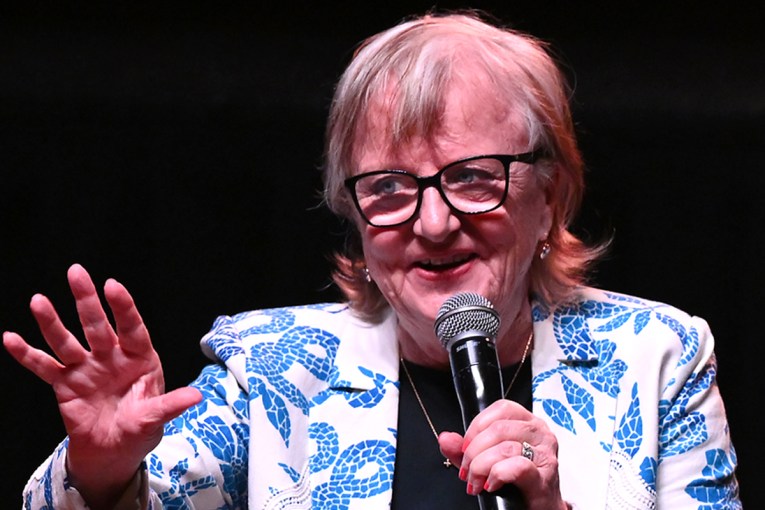
AMA president Steve Robson says improving health outcomes for Australians will lift productivity. Photo: AAP
A ballooning number of people waiting for elective surgery needs to be addressed urgently with extra funding and reforms, the Australian Medical Association says.
If no action is taken by governments the number of people waiting for elective surgery is expected to reach more than 500,000 by June 30, AMA President Steve Robson says.
The association’s latest report says the elective surgery backlog shows a system under enormous pressure and struggling to meet demand.
“Recently state premiers have talked about the dire state of the health system and the need for urgent action through National Cabinet — this report highlights a key part of the system that’s struggling,” Professor Robson said.
“Our analysis shows hospitals can’t meet demand or the recommended timeframes for surgeries and it’s only going to get worse without intervention,” he said in a statement on Monday.
The report says there is an estimated elective surgery backlog of 306,281 patients nationally and this will grow to more than 500,000 by the end of the financial year if action isn’t taken.
Prof Robson said Australia needed a national plan to address the growing and increasingly critical backlog of elective surgeries, with an immediate injection of funds required.
“This plan needs to be funded by both states and territories and the federal government and backed by long-term funding commitments that deliver permanent expanded workforce and increased capacity to deliver services in our public hospital system.”
The AMA’s analysis shows Victoria makes up the largest percentage of the backlog (134,950 patients, or 44 per cent of the backlog) together with NSW (77,845 patients, or 25 per cent of the backlog).
Queensland and Western Australia account for around 10 per cent of the backlog each.
The report says the COVID-19 pandemic had a significant impact on the number of elective surgeries performed in recent years.
Prof Robson said most of the backlog consisted of people who hadn’t been added to the waiting list, and were likely waiting for an outpatient appointment with a specialist or had simply given up.