Sweet justice for Aussie beekeepers as NZ lobbyists lose another fight over Manuka honey

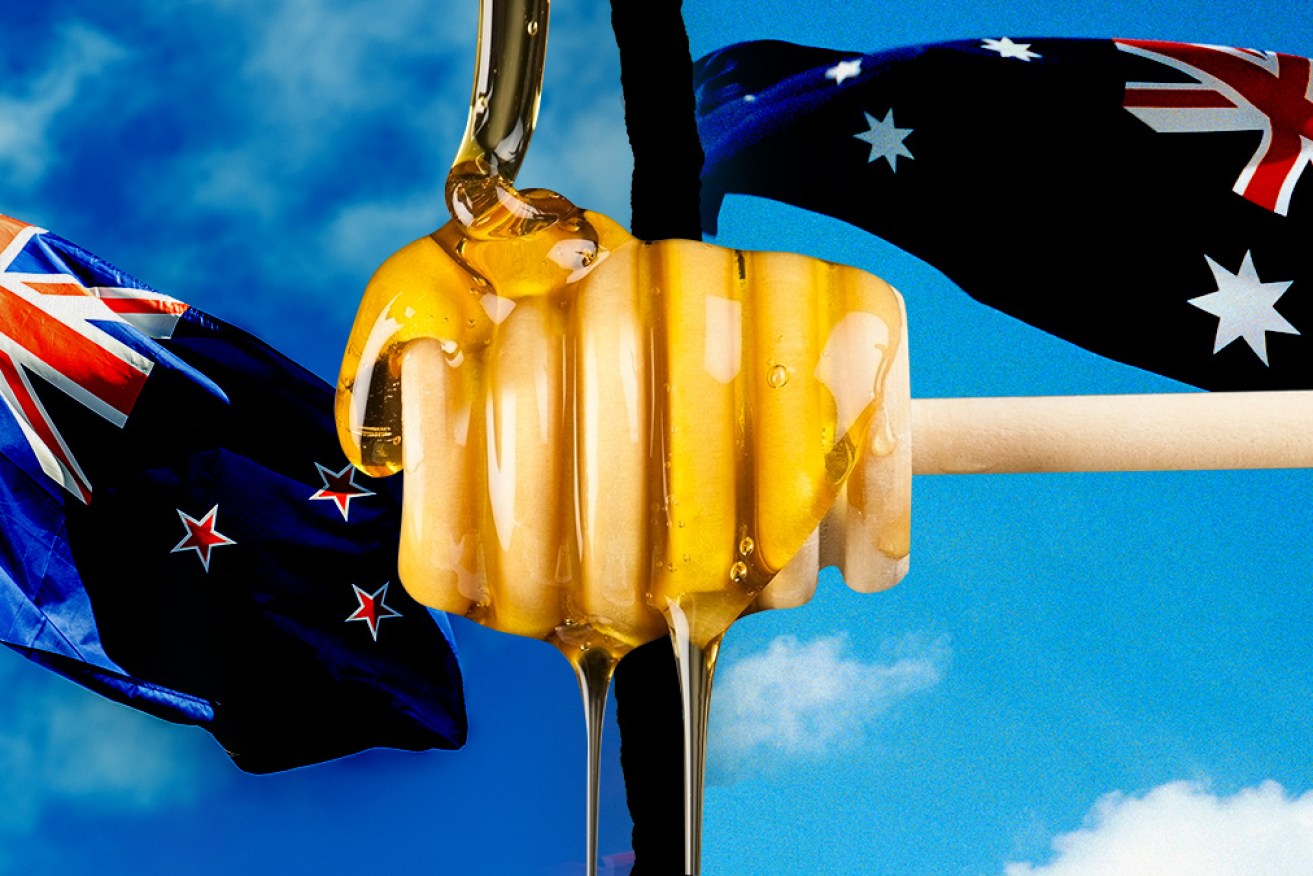
New Zealand beekeeping interests have vowed to continue their legal battle with Australians, despite a setback. Photo: TND
Australian honey producers have won the latest salvo in a decade-long fight for naming rights of Manuka honey.
The New Zealand Manuka Honey Appellation Society (MHAS) has tried to get exclusive naming rights to Manuka honey globally for many years, and recently told UK officials that the honey has unique origins in Maori culture.
But its latest efforts failed, Australian businesses were told on Monday, as the NZ appeal collapsed over Christmas.
The Australian Manuka Honey Association chairman Paul Callander called it a victory of “enormous significance” for farmers.
“There is no restraint or trademark on Manuka naming rights,” Mr Callander said.
“This victory provides our industry with a noble precedent against some in New Zealand who are attempting to monopolise the term Manuka honey for their own commercial gain.”
Mr Callander said on Monday that he hoped NZ beekeeping interests would change tack after losing similar bids to bar Australian honey exports branded with Manuka in Europe and the United States.
The honey fetches up to $500 a kilogram internationally and is used in a variety of medicinal and cosmetic products, in addition to being a popular food spread in the US, Europe, UK and China.
Food fight to drag on
Honey hostilities will continue in 2023 as New Zealand beekeepers have vowed to fight another day after their latest bid to block their trans-Tasman rivals from exporting Manuka-branded products failed.
It’s the latest in a government-backed fight that has been waged for years over the growing multibillion-dollar export market for Manuka honey, which is prized for its antibacterial qualities.
MHAS spokesperson John Rawcliffe said their Manuka legal advocacy will continue around the world in 2023 and beyond.
Mr Rawcliffe said the group is already considering alternative legal challenges in the UK, including a certification mark that could effectively designate Manuka honey as a New Zealand product.

Manuka honey being produced in NSW in 2021. Photo: Getty
“The industry has recognised this is a long-term battle and has put its hands deep into its pockets,” he said.
“It’s a journey that will take a generation.”
Mr Rawcliffe said the term Manuka originates from Maori culture and should specifically refer to honey produced by bees in New Zealand from a type of native plant called Leptospermum.
The same genus of plant is also native to Australia, where more than 80 species have been discovered, however Mr Rawcliffe argues honey produced from these flowers is not Manuka.
“They’ve [Australian beekeepers] decided to broaden it,” he said. “We’re confusing the science, and the consumers.”
‘We should be working together’
Many Australian beekeepers take a different view, with apiarist Lindsay Bourke arguing the same species of plant New Zealand uses to produce Manuka also grows and has been farmed for a century in Tasmania.
“New Zealand has done a wonderful job of promoting Manuka all over the world, but we’ve got the same product,” Mr Bourke said.
“I’d hoped they were going to bury the hatchet because we’re the only two little countries way out on the end of the Earth producing this wonderful honey and we should be working together.”
Cost to taxpayers
The long-running legal battle has taken its toll on taxpayers in both countries, with New Zealand tipping in $NZ6 million to support its industry’s legal objections to Australian exporters, while the Australian government has also provided a grant to support Australian farmers.
Mr Callander told TND that the association may ask for further taxpayer help to defend future challenges.
The ongoing legal battle is not risk-free for the honey industries, either.
Nicole Murdoch, a trademark attorney and principal at law firm EagleGate in Queensland, said there’s a risk the pursuit of exclusive naming rights harms beekeepers in both countries over the longer term.
She said that the rival interests will actually need to work together to protect the provenance of honey derived from the leptospermum plant from both Australia and New Zealand.
“If they are at odds with each other and do not protect the mark then, in the worst-case scenario, any trader around the world will be able to use the word Manuka to refer to any form of honey and the good reputation in Manuka honey will be lost,” she said.
“If Manuka honey does derive from both regions, then they need to co-exist.”

Raising the rate of JobSeeker would save lives




Pain for borrowers as RBA lifts rates again