Rebates not option to curb huge power hike
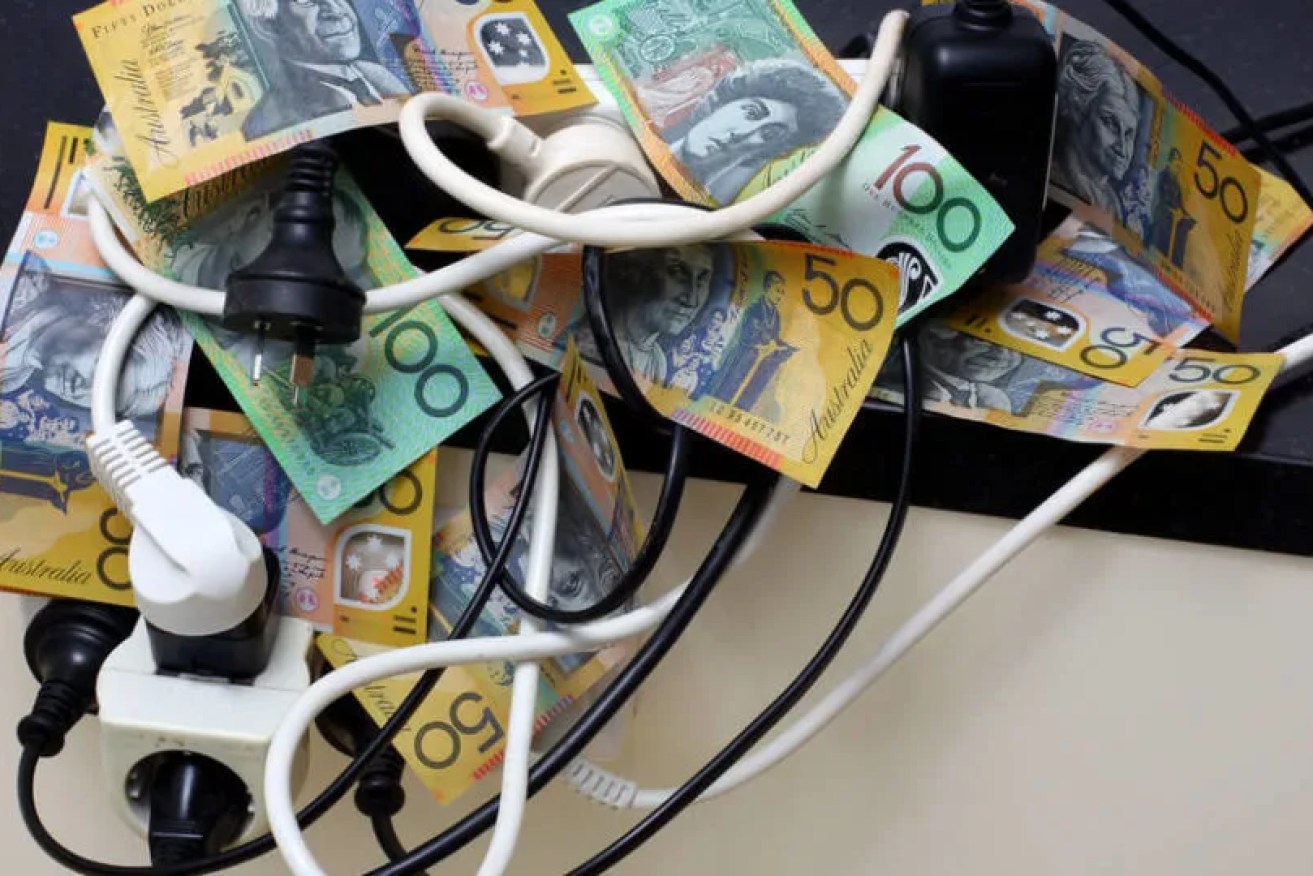
The prime minister is promising to take action against energy companies who don't pass on massive profits to Australian households in the form of savings. Photo: TND
The government says rebates aren’t the answer to soaring electricity prices, despite some calls for them to ease pressure on Australian families.
Retail power prices are expected to rise by 56 per cent over the next two years, while gas prices are also predicted to increase sharply, according to budget forecasts.
Treasurer Jim Chalmers said the rising prices were a large part of the inflationary pressures facing the nation, admitting he didn’t know when people could expect costs to start dropping.
But he said Australia couldn’t even afford rebates, adding they could increase inflationary pressure.
“We’ve seen around the world that these energy rebates do have the capacity to push up inflation and push up interest rates as well, and we don’t want to see that,” Dr Chalmers said.
“There might be other options … around the regulators and what we’re doing in the gas market and there is more work to do with states and others to see if there’s regulatory changes that we can make to take some of the sting out of these price rises.”
But Grattan Institute chief executive Danielle Wood said the “sobering” power forecasts meant the government was likely to have to take meaningful action.
“Any decision they make is going to be challenging, they could move to tighter regulation of prices, that would be a big move,” she said.
“They could … follow the lead of some other countries in the world, which is to try and work on the taxation, particularly of super profits, that have been in while prices are very high around the world, and then return some of that to consumers by way of rebates.”
Ms Wood said rebates could be done in a way that wouldn’t add intense inflation pressure.
But Dr Chalmers said climate and environment funding would indirectly bring power prices down.
The budget included $20 billion over 10 years for cheap finance for new electricity transmission links and a $1.9 billion fund to back jobs and emissions cuts in the regions.
“Renewable energy isn’t just cleaner energy, it’s cheaper energy as well,” Dr Chalmers said.
“There is more work to do when it comes to the electricity market, we do understand these electricity prices make it harder for Australians who are already under the pump.”
Prime Minister Anthony Albanese agreed renewable energy was a path to hip-pocket savings.
“Cheaper power bills will come as a result of investment in cheaper energy, that’s just a fact,” he told the ABC.
“And remember the former government actually changed the rules, they introduced a new system to avoid telling the Australian people (about) … that significant increase that occurred in the middle of this year.”
Shadow treasurer Angus Taylor said Labor had broken a series of promises and didn’t have the structures in place to get prices down.
“You’ve got to get more gas supply into the domestic gas networks and you’ve got to get more dispatchable electricity generation in place,” he told Sky News.
“I don’t see anything from Labor that’s going to achieve any of those things, so the situation will get worse and Australians will pay the price.”
Labor’s Powering Australia policy released during the election promised a power bill cut of $275 a year by 2025.
– AAP